On quiet architecture
A note on why we keep returning to the same handful of materials, and what we mean when we say a building should be quiet.
By Ida Lindqvist

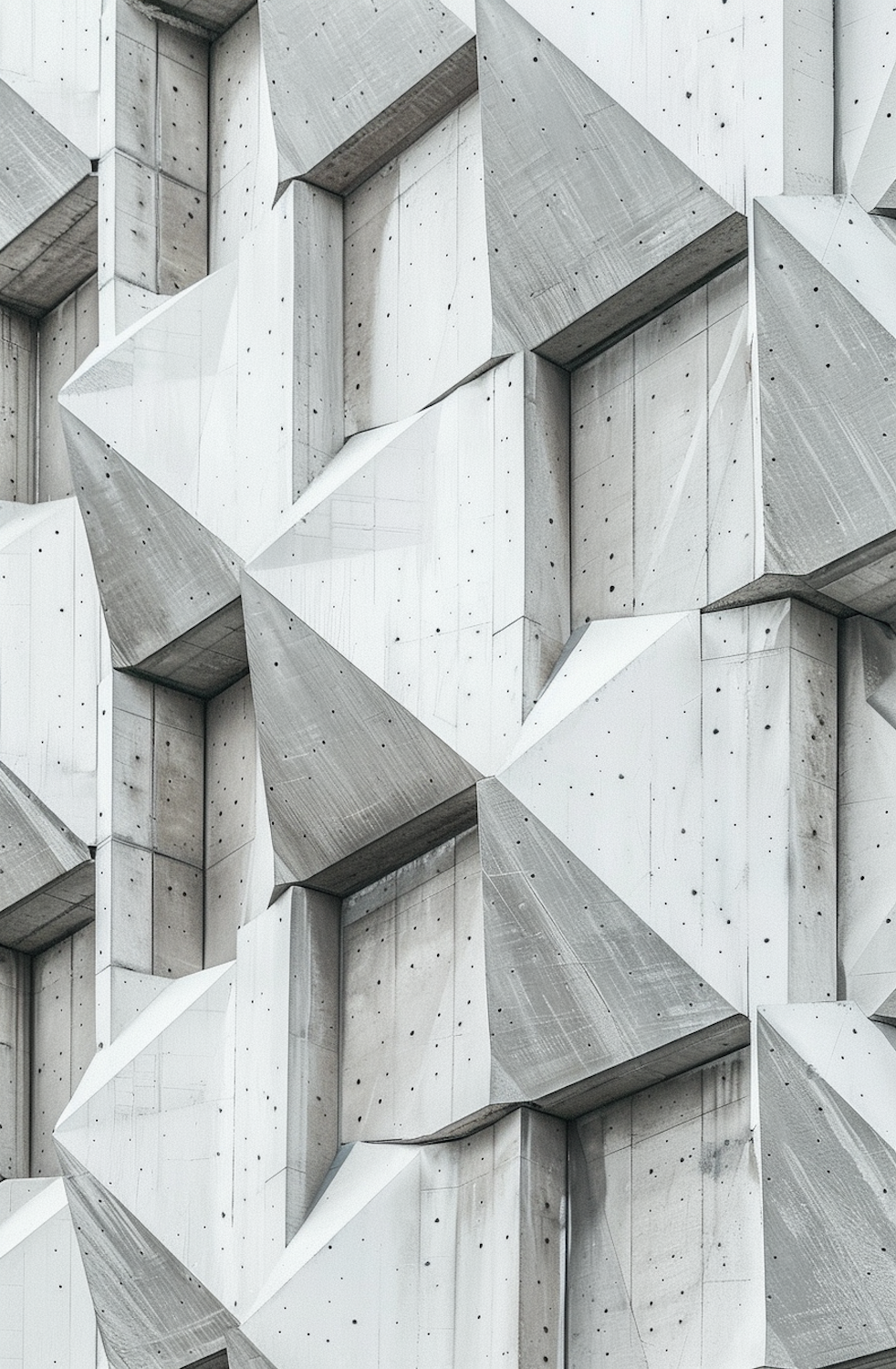
We are often asked why the studio works with such a narrow palette. Limewashed brick, oiled oak, raw concrete, brushed steel, a few weights of linen for curtains. The list is short and we have written it down. It is taped to the wall above the model stand.
The honest answer is that we are not interested in invention for its own sake. We are interested in attention. A short list of materials forces us to look harder at each one, to know how an oak floor takes a low sun in February and a high sun in July, to know which limewash will chalk in the rain and which will hold.
A room that does not ask for anything
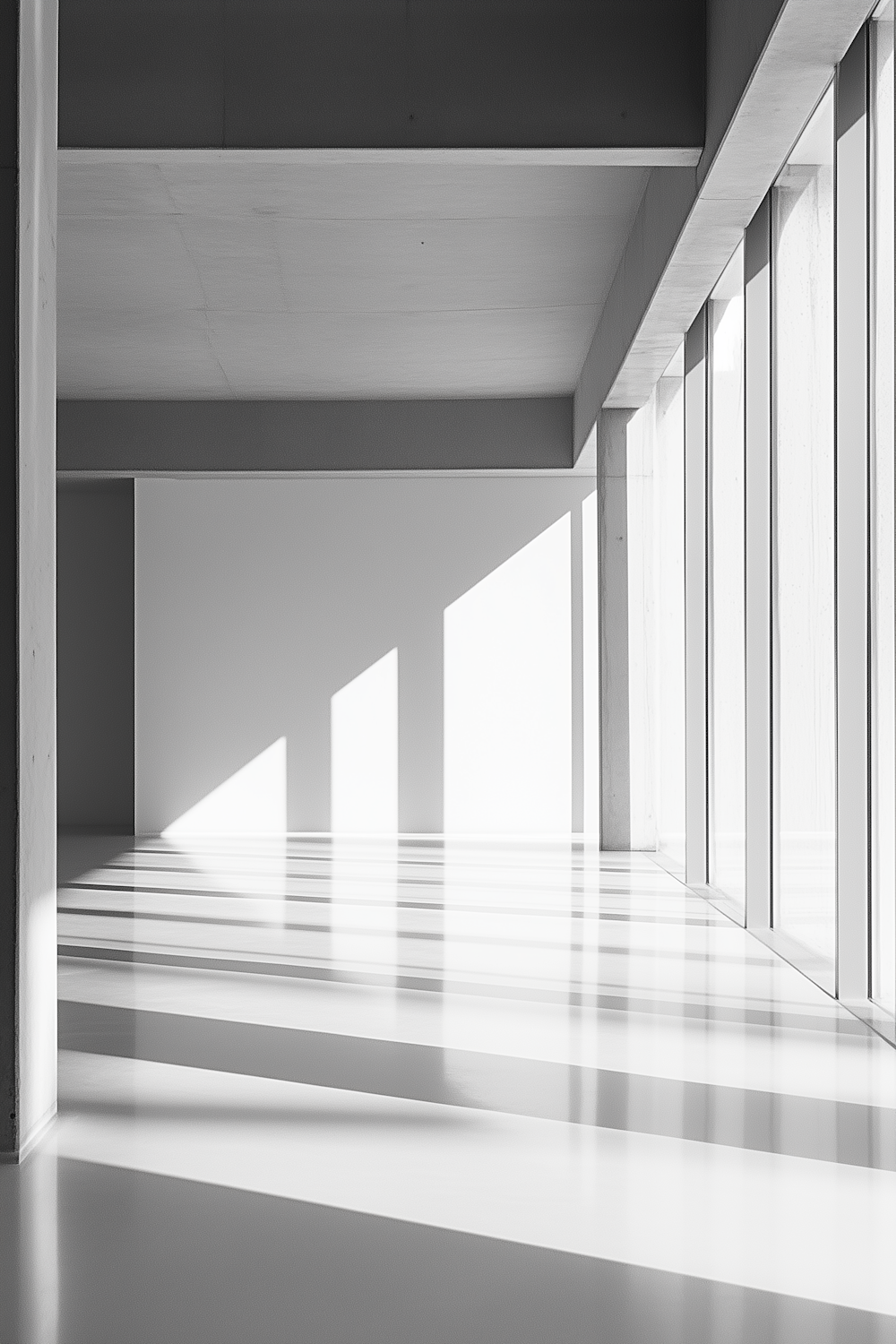
A quiet building is not an empty building. It is a building that does not ask for the visitor’s attention before the visitor has decided to give it. The proportions are settled. The light is settled. The door handle sits where your hand expects it. Nothing is shouting.
“We want the building to be the second thing you notice, after the weather.”
This takes more drawing, not less. Restraint is expensive. The detail that disappears takes three weeks and four prototypes. The wall that looks effortless is built by a mason who has been laying brick for forty-one years and who left us a long voicemail about the mortar mix.
What we are leaving out
Every project starts with a list of what we are removing. No skirting boards. No fluorescent lighting. No ceiling grids. No interior fluorescence of any kind. No “feature wall.” The list grows as the building grows, and by the time a project goes to site the list is often longer than the specification.
A house we are drawing for a client on Bornholm has only seven different materials in it so far. We counted. The client noticed first. She said the rooms already felt longer than they were, that walking through the model was like walking along a beach.